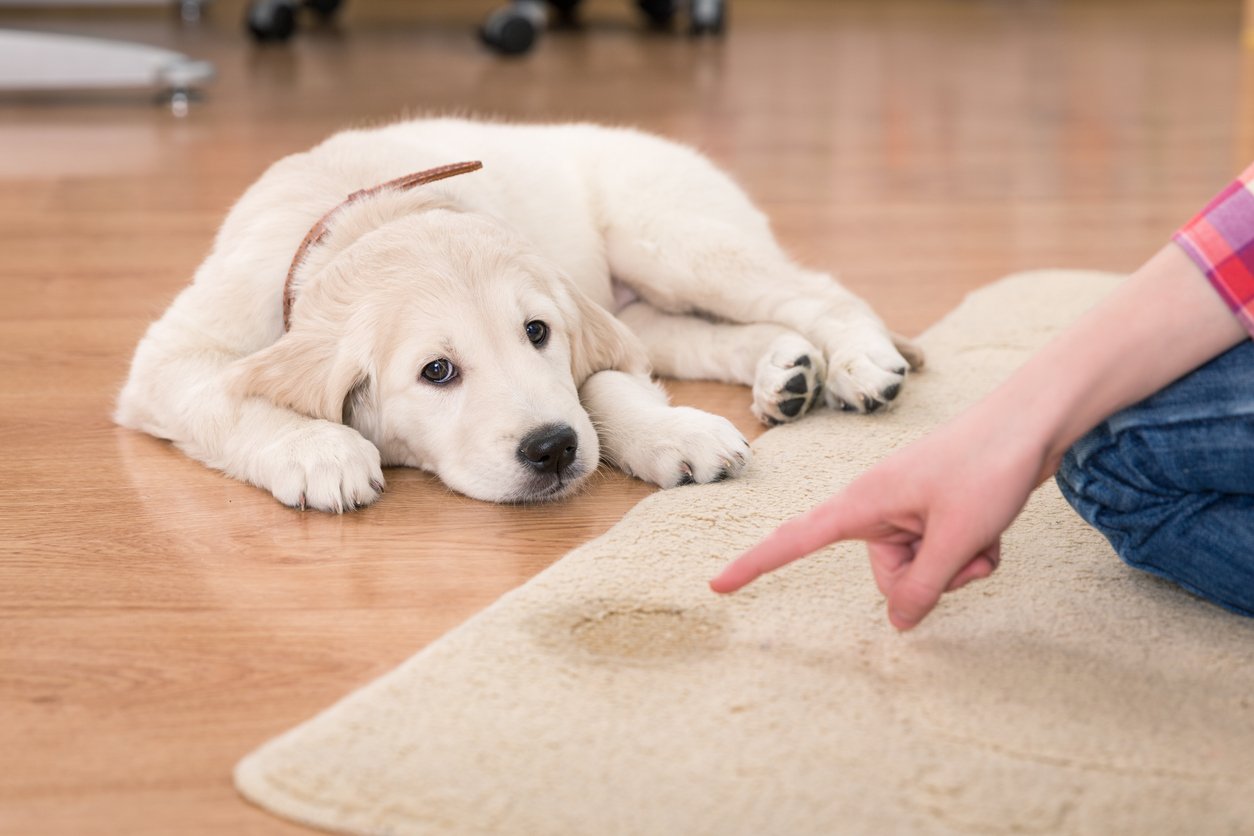
The carpet looks fine. You can’t see any stains in normal light. But every time the AC kicks on, you catch a faint sour smell from the family room, and your guests notice it before you do.
This is the most common pet-related call we get across McKinney. The accidents happened months or years ago, the surface has been cleaned a dozen times, and the smell keeps coming back. The reason is simple: cleaning the carpet face doesn’t address what’s underneath.
McKinney is a family-friendly community, and most of the homes we visit have at least one dog, often more. Larger lots out in Stonebridge Ranch, Trinity Falls, and Eldorado mean more time spent outdoors and more chances for accidents on the way in. The historic homes around downtown often have original wood floors edged by carpet runners that have absorbed decades of household life. The fix is the same regardless of neighborhood, but the diagnosis matters.
Key Takeaways
- Pet odor that survives repeated cleanings lives beneath the carpet face — in the pad and subfloor.
- Sub-surface extraction injects solution into the pad and recovers it, treating the layer surface cleaning skips.
- Inspection (including UV) maps the real contamination before any cleaning starts.
- Severe or repeat accidents sometimes need pad replacement — honest providers say so upfront.
What’s Actually Happening Beneath the Carpet
When a pet has an accident, the liquid passes through the face fiber within seconds. From there it soaks into the carpet pad, which is essentially a sponge. From the pad, it can wick into the subfloor (concrete slab or plywood) and the tack strip running around the perimeter.
Surface cleaning removes whatever is left in the face fiber. The pad, subfloor, and tack strip continue to hold the original urine indefinitely. Urine contains uric acid crystals that bond strongly to substrates, and they reactivate every time humidity rises or you clean the surface again. That’s why the smell comes back after AC humidity cycles, after a steam mop pass, after a regular carpet cleaning.
The crystals are also why ordinary cleaners don’t work. Soap, vinegar, baking soda, and most carpet cleaners can mask the odor temporarily but don’t break the molecular bond between uric acid and the pad fibers.
Why DIY Solutions Usually Fail
We get called regularly to fix DIY pet treatment damage in McKinney. The most common patterns:
Enzyme cleaners applied to the surface only. Enzyme cleaners work, but only on the material they actually touch. Spraying enzyme on the carpet face does nothing for urine that’s already in the pad. The smell returns within weeks.
Hydrogen peroxide and ammonia. These can lighten the stain but bleach the carpet dye unevenly. We see permanent pink and orange patches in places where DIY treatments were tried. The original stain is gone, replaced by something that looks worse.
Heavy fragrance cover-ups. Carpet powders and air fresheners mask the smell briefly but don’t address the source. They also leave residue that attracts soil.
Repeated shampooing. Each rental-machine pass adds water to the pad. Water reactivates uric acid crystals, which means the smell often gets worse for several days after a DIY shampoo before eventually subsiding back to baseline.
Black light scanning without follow-up. A UV light shows you where the accidents are, which is useful. But identifying the spots doesn’t remove them. We’ve walked into homes where the carpet was mapped with painter’s tape after a UV scan, and the actual treatment was a surface-level spray.
What Sub-Surface Extraction Actually Does
The professional method for pet urine in carpet is sub-surface extraction. It addresses the pad and subfloor, not just the face fiber.
The process: a specialized tool is placed directly over the affected area and forces a treatment solution through the carpet face into the pad and down to the subfloor. The same tool simultaneously extracts the solution back out, along with everything dissolved in it. This is repeated until the extracted water runs clear.
The treatment solution is designed to break the bond between uric acid crystals and substrate fibers. Once the bond is broken, the contaminant can be physically removed instead of just neutralized in place.
For typical pet incidents that have soaked into the pad but not the subfloor, sub-surface extraction is usually a complete fix. For older incidents that have wicked into wood or concrete subfloor, additional steps may be needed (sealing the subfloor, in severe cases replacing the pad). We can tell which situation you have during the inspection.
What We Find During Inspection
Before any treatment, we identify the actual extent of the problem. The combination of a UV light scan, moisture meter readings, and visual inspection tells us how many spots are involved and how deep each one goes.
Three patterns are typical in McKinney homes:
Surface-level recent accidents. Pad is dry, subfloor is dry, urine is in the carpet face only. Standard hot-water extraction with appropriate chemistry usually handles these.
Pad-saturated accidents. Pad is wet or has uric acid crystals throughout, subfloor is mostly dry. Sub-surface extraction is the right call. Most McKinney homes we visit fall into this category.
Subfloor-contaminated accidents. Pad is saturated, subfloor (plywood especially) has wicked urine into the material itself. Sub-surface extraction can reduce the smell significantly, but full restoration may require pulling the carpet, treating or replacing the pad, sealing the subfloor, and reinstalling the carpet. We’ll tell you honestly if we see this level of contamination.
The 4×4 Test Patch on Difficult Pet Areas
When we walk into a home with significant pet damage, especially older incidents or multiple-dog households, we use a day-of 4×4 test patch in the worst zone. We run our actual process on a representative area and you can see the result before we commit to the full job.
About 99 percent of McKinney pet jobs we visit clean up well with sub-surface extraction. For the rare cases where damage is too deep, you get three options: proceed with cleaning at the quoted price with realistic expectations for the worst spots, switch to a more extensive restoration plan with a clear adjusted quote, or stop with no charge.
This is also where the inspection conversation matters most. If we suspect pad replacement is the right call, we’ll tell you at the estimate, not after we’ve already started.
How Often Pet Households Should Clean
Honest guidance for McKinney families with pets.
General hot-water extraction every 6 to 9 months for normal residential pet households. More frequent on traffic lanes.
Spot treatment immediately after any visible accident. Blot up as much liquid as possible with white towels, apply cool water to dilute, blot again, and call us if the smell persists after 24 hours.
Sub-surface extraction at any age when smell is returning between cleanings. The earlier you catch a pad-saturated accident, the simpler the fix.
Annual whole-home cleaning in homes with multiple pets, regardless of visible signs.
Fiber Protection for Future Accidents
After cleaning, Fiber Protection is one of the highest-value add-ons for pet households. It creates a microscopic barrier against both water-based and oil-based stains that gives future spills, including accidents, time to be blotted before they soak through the face fiber.
Protection won’t prevent every pet accident from reaching the pad, but it dramatically extends the window for surface cleanup, and it makes general soil and dander far easier to vacuum. We recommend it on every pet-household carpet we clean. Fiber Protection is also offered on upholstery, including the sectionals where the dog typically claims one end.
It doesn’t change the look or feel of the carpet. It’s an optional add-on at the time of cleaning, written into your free estimate.
What Pet Cleaning Doesn’t Fix
Honest take: sub-surface extraction handles the carpet system. It doesn’t handle every odor source.
It won’t fix urine in adjacent wood baseboards. Urine wicks into trim wood and stains permanently in some cases. The fix is sanding and refinishing or replacing the affected trim.
It won’t fix accidents on walls. Drywall absorbs urine. The fix is cleaning, sealing with stain-blocking primer, and repainting.
It won’t fix concrete slab contamination that’s already been in place for years. Severe slab contamination sometimes requires specialized concrete treatments or sealing.
It won’t change the behavior. If a pet is still actively having accidents in the home, treatment is a temporary fix. The behavioral issue (medical, training, or environmental) needs to be addressed alongside cleaning, or new accidents will reset the problem.
Frequently Asked Questions
How do you remove pet urine smell from carpet permanently?
Sub-surface extraction that addresses the carpet face, pad, and (when necessary) subfloor. Surface-only cleaning doesn’t reach the source of the odor. The right process forces treatment through the carpet, breaks the bond between uric acid and the substrate, and extracts everything back out.
Will sub-surface extraction work on old pet stains?
Usually yes for stains that have soaked into the pad but not deep into the subfloor. The older the incident, the higher the chance of subfloor involvement. Our inspection tells you what you’re dealing with before treatment starts.
Can you save the carpet, or do I need to replace it?
Most pet-affected carpets can be saved with sub-surface extraction, especially if the carpet itself is in good condition. Replacement becomes the right answer when the pad is saturated throughout multiple zones, when the subfloor has been contaminated for years, or when the carpet is also past its useful lifespan for other reasons. We’ll tell you honestly at the estimate.
What’s the difference between a regular carpet cleaning and pet treatment?
Regular cleaning treats the carpet face fiber. Pet treatment uses sub-surface extraction to address the pad and substrate where urine actually accumulates. They’re different processes with different equipment, and the right choice depends on whether the issue is general soil or specific pet contamination.
How long until the smell is gone?
When sub-surface extraction is the right fix, the smell is typically gone within 24 to 48 hours, once the treated area dries fully. If the smell persists after 72 hours, deeper contamination may be involved and we’ll come back to evaluate.
Related services: If you also need pet stain and odor removal in Plano or carpet cleaning in McKinney, we run those routes the same week.
Ready to Get Rid of the Pet Smell for Good?
We’re across McKinney every week, from Stonebridge Ranch and Eldorado to Trinity Falls, Craig Ranch, Adriatica, and the historic downtown neighborhoods. Estimates are free and written, and we use a day-of test patch on difficult pet jobs before committing to the full treatment.
Call (469) 535-9331 or visit ultracleanfloorcare.com/ for a free written estimate.
The U.S. EPA notes that carpets can trap allergens and fine particles that affect indoor air quality.