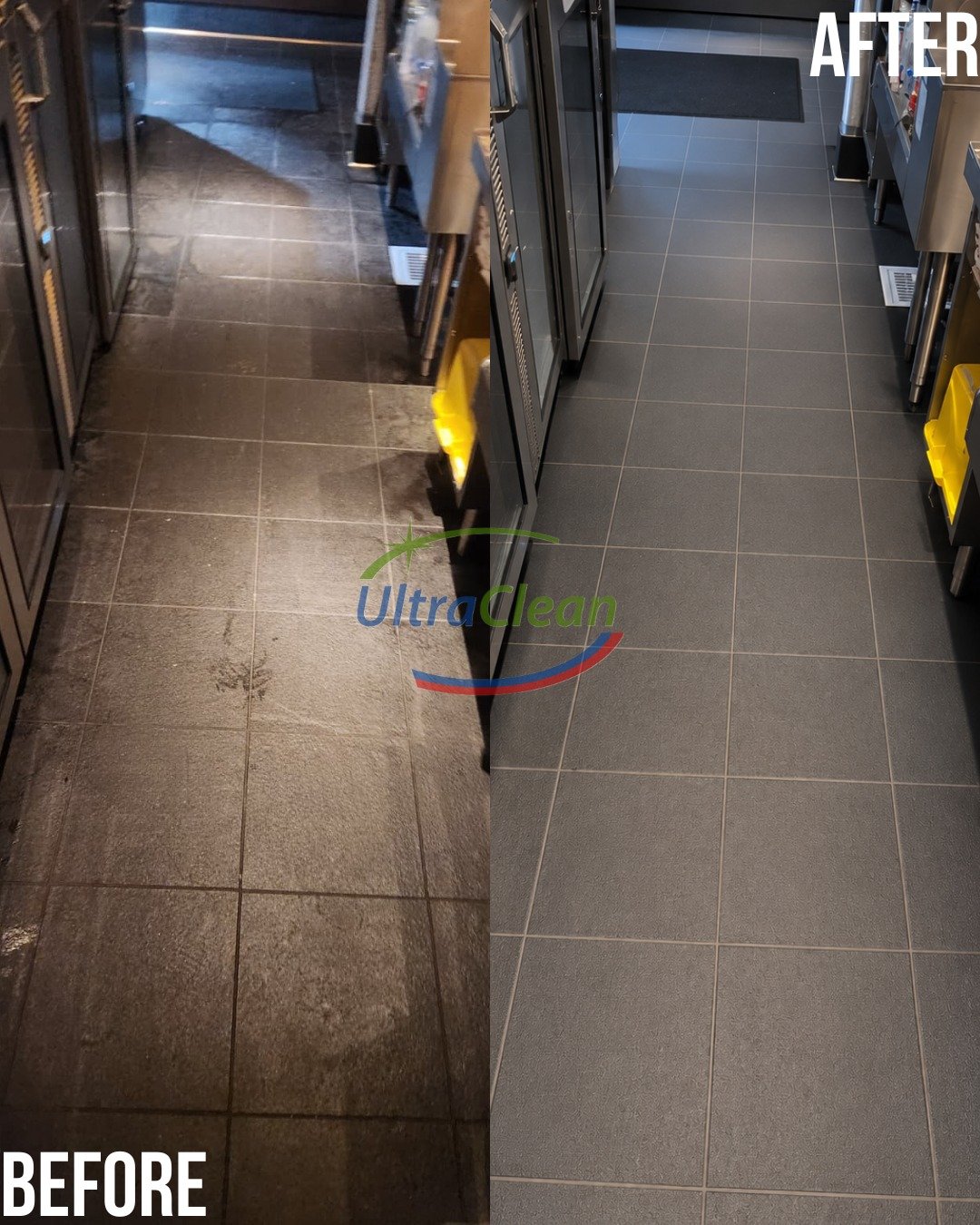
Grout stains can be a real eyesore in any home. They make even the cleanest tiles look dirty.
Understanding how to remove stains from grout is essential for maintaining a fresh appearance. Grout is porous, which means it absorbs stains easily.
Regular cleaning can prevent these stains from becoming permanent. But what if the stains are already there?
This guide will show you effective methods for grout stain removal. You’ll learn how to tackle everything from light discoloration to stubborn stains. If you’re wondering how to clean stained grout or how to get a stain out of grout, the steps below will walk you through practical options.
With the right techniques, your grout can look as good as new. Let’s dive into the best ways to clean stained grout.
Understanding Grout Stains: Causes and Prevention
Grout stains can arise from various sources, often unnoticed. Spills, dirt, and moisture contribute significantly to this issue. Porous by nature, grout absorbs these elements quickly. These often show up as grout stains on tile in kitchens, bathrooms, and entryways.
Preventing stains requires both regular cleaning and understanding common causes. Frequent spills and inadequate cleaning can lead to lasting discoloration.
Here are some prevalent causes of grout stains:
- Food and drink spills
- Dirt from foot traffic
- Mold and mildew growth
Regular maintenance and a few preventive steps can mitigate stains. Consider using rugs in high-traffic areas to minimize dirt.
Moreover, immediate cleanup of spills can halt stains before they form. Routine sweeping and mopping help in removing grime buildup.
Finally, sealing grout surfaces yearly can prevent future absorption. A well-sealed grout line maintains both aesthetics and structural integrity.
Essential Tools and Safety Tips for Grout Cleaning
Having the right tools simplifies grout cleaning immensely. A few basic items are all you need for most tasks. These tools help ensure thorough and efficient cleaning.
Essential grout cleaning tools include:
- Toothbrush or small scrub brush
- Soft cloths or sponges
- Bucket or spray bottle
- Plenty of clean water for rinsing
- Protective gloves and eyewear
Safety is crucial when working with cleaning agents. Always wear gloves to protect your skin. Eye protection is also recommended to guard against splashes.
When using potent chemicals, ensure proper ventilation. Open windows and run fans to dissipate fumes. Safety first ensures a smooth cleaning experience without harm.
DIY Cleaning Solutions for Stained Grout
Many DIY solutions can effectively tackle grout stains and help with how to clean stained grout. They are inexpensive and use common household items. Best of all, most are gentle on grout surfaces.
One popular solution uses baking soda as the main ingredient. This natural cleaning agent is mild yet effective. It works well on most light to moderate stains.
Another option is hydrogen peroxide mixed with water or baking soda. It has natural bleaching qualities, is non-toxic, and is gentle enough for regular use. Vinegar can help with light stains too, but because it is acidic, it should be used sparingly — more on that below.
Homemade cleaners include:
- Baking soda and water paste
- Hydrogen peroxide and baking soda mixture
- A mild vinegar solution (for light stains only, used sparingly)
Before using any mixture, always test a small area. This ensures no adverse reaction on your grout or tiles. And whatever you use, rinse thoroughly afterward — consistent use of these methods, followed by a proper rinse, keeps your grout looking new.
Baking Soda and Water Paste
This paste effectively removes surface stains from grout. It is a simple yet strong cleaning solution. Baking soda also freshens surfaces as it cleans.
To make the paste:
- Mix equal parts baking soda and water.
- Stir until it forms a thick paste.
- Apply directly onto stained grout lines.
Leave the paste for 10–15 minutes before scrubbing. Use a toothbrush or small brush to work it into the grout. Then rinse thoroughly with warm water to remove every bit of residue.
A Word on Vinegar and Hydrogen Peroxide
Vinegar can help with lighter stains in grout, but go easy on it. Vinegar is acidic, and over time it can wear down grout sealer and etch or dull natural stone tile (like marble, travertine, or slate). Use it sparingly, only on light stains, and never on stone or freshly sealed grout. When in doubt, reach for a pH-neutral cleaner or hydrogen peroxide instead.
If you do use a mild vinegar solution:
- Mix one part vinegar with one part water.
- Lightly spray the solution onto the stained grout.
- Allow it to sit for a few minutes before gently scrubbing.
- Rinse the area thoroughly with clean water so no acid is left behind.
For tougher grout stains, hydrogen peroxide is the safer workhorse. It is gentle on grout and enhances the cleaning process. For persistent spots, make a paste with baking soda.
Using hydrogen peroxide:
- Combine equal parts hydrogen peroxide and baking soda.
- Spread the paste over the grout lines.
- Leave for up to 10 minutes before scrubbing.
- Rinse well with clean water afterward.
These methods provide effective cleaning without harsh chemicals.
Rinsing: The Step Most People Skip
Here is the part that makes the biggest difference: rinsing. Whatever cleaner you use — baking soda, peroxide, vinegar, or a store-bought product — any residue left in the grout lines actually attracts dirt and can make your grout look dingy again within days. That soapy or chalky film is sticky, and it grabs onto every bit of dust and grime that comes along.
After you scrub, go back over the area with clean water and a fresh cloth or sponge, rinsing more than once until the water runs clear. Then wipe the surface dry. Proper rinsing is the difference between grout that stays clean and grout that re-soils almost immediately. Don’t skip it.
Cleaning Black and Colored Grout: Special Considerations
Cleaning black grout or cleaning colored grout requires special attention. Harsh chemicals can fade their rich tones. It’s vital to choose solutions that preserve the grout color.
Avoid using acidic cleaners on colored grout. Acids like vinegar can discolor these types. Always use pH-neutral products for safe cleaning.
Eco-friendly options include oxygen bleach, which cleans effectively without color loss. It penetrates grime while keeping colors intact. Make sure to follow package instructions for best results.
Steps for cleaning colored grout:
- Use pH-neutral cleaners.
- Avoid acidic solutions.
- Choose oxygen bleach for deep cleaning.
- Rinse thoroughly and wipe dry.
For black grout, select non-acidic solutions to prevent dullness. Consistent cleaning keeps black grout vibrant and fresh. By using suitable methods, you protect and maintain the color’s integrity.
Using Commercial Grout Cleaners and Steam Cleaners
Commercial grout cleaners offer a quick solution for tough stains. These products are formulated to break down grime and mold. Always choose a cleaner suitable for your grout type.
Before applying, read the product instructions carefully. This helps avoid damage to your tiles. Test the cleaner on a small, hidden area to ensure compatibility. And as always, rinse the area well once you’re done.
Steam cleaners provide a chemical-free alternative. They use high-temperature steam to penetrate and lift grime from grout lines. This method is effective and safe for most tile surfaces.
When using steam cleaners, slowly move the nozzle over the grout. This allows heat to dissolve stubborn debris effectively. Ensure the area is adequately ventilated while cleaning.
Key tips for using these tools:
- Select appropriate commercial cleaners.
- Test cleaners on a discreet area.
- Slowly navigate the steam nozzle over grout lines.
- Rinse and wipe away any loosened residue.
How to Remove Grout Stains from Tile Surfaces
Removing grout stains from tile surfaces requires a methodical approach. If you’re searching for how to remove grout stains from tile, start by identifying the type of stain. This helps in choosing the right cleaning strategy.
For general stains, mix baking soda and water. Apply the paste to the grout and scrub gently using a brush. Rinse thoroughly to remove all residues.
For deeper discoloration, hydrogen peroxide works well and is safe on most tile. It breaks down mold and staining without the acidity of vinegar. Dab it onto the stained area and allow it to sit before scrubbing, then rinse.
Steps for effective grout stain removal:
- Identify the stain type.
- Apply baking soda paste for light stains.
- Use hydrogen peroxide for mold or deeper stains.
- Rinse thoroughly with clean water.
Dealing with Tough Stains: Mold, Mildew, and Deep Discoloration
Tough stains, like mold and mildew, can be persistent. It’s crucial to address these promptly to prevent long-term damage.
For mold and mildew, use hydrogen peroxide. It acts as a natural bleaching agent and is effective in killing mold spores. Apply it directly onto the stain and allow it to sit for a few minutes before scrubbing.
Deep discoloration may require a stronger solution. Oxygen bleach is a safe choice, especially for colored grout. Dilute it with water and apply it to the affected area, giving it time to work.
Steps for tackling tough stains:
- Use hydrogen peroxide for mold and mildew.
- Apply oxygen bleach for deep discoloration.
- Allow products to sit on the stain for effectiveness.
- Rinse the area completely once the stain lifts.
Preventing Future Grout Stains: Maintenance and Sealing
Proactive maintenance can save your grout from stains. Frequent cleaning reduces dirt and debris accumulation, keeping your grout lines fresh. Sweeping and mopping regularly help prevent stain development.
Sealing your grout acts as a protective barrier. It prevents moisture and spills from penetrating, making it easier to clean in the future. Apply a grout sealer every 6–12 months for the best results.
By following a simple routine, you can maintain your grout’s appearance. Consider these preventive measures:
- Regular sweeping and mopping
- Periodic grout sealing
- Using rugs in high-traffic areas
When to Call a Professional for Grout Stain Removal
Despite your best efforts, some stains may prove too stubborn. When DIY methods fail, consider professional cleaning services. Experts use specialized equipment and techniques that can restore your grout effectively.
Severe staining can indicate deeper issues like mold or water damage. Professionals not only remove stains but also address these underlying problems. Investing in expert help can save time, effort, and ensure a lasting clean.
If you’re in the DFW area, our team offers professional tile and grout cleaning, and we can reseal your grout afterward to keep it protected. Ask about our grout sealing service.
Frequently Asked Questions About Grout Stain Removal
Many people wonder about the best methods for removing grout stains. There are different approaches depending on the type of grout and the nature of the stain. Using household items or commercial cleaners both have their place.
Another common question is about maintenance and prevention. Regular upkeep can greatly reduce the need for intensive cleaning. Understanding which cleaning solutions are safe for colored grout is essential to prevent damage.
What should I try first for light vs. stubborn grout stains?
Start simple. For light discoloration, apply a baking soda and water paste, let it sit 10–15 minutes, scrub with a small brush, then rinse thoroughly. For mold or deeper stains, use hydrogen peroxide—either alone or mixed with baking soda into a paste for up to 10 minutes. A mild vinegar-and-water spray can help with light mineral spots, but use it sparingly because it’s acidic. Always test a small, hidden area first, wear gloves and eye protection, and rinse well when you’re done.
Is vinegar safe for colored or black grout?
Avoid acidic cleaners like vinegar on colored or black grout because they can dull or discolor it—and go easy on vinegar in general, since it can wear down sealer and etch natural stone. Instead, use pH-neutral cleaners for routine care, and choose oxygen bleach for deeper cleaning; it’s effective without causing color loss. Always follow product directions, spot-test before full application, and rinse afterward.
Are steam cleaners and commercial grout cleaners worth using?
Yes—both can tackle tough grime effectively. Pick a commercial cleaner that’s compatible with your grout type and test it on a discreet spot first. If you prefer a chemical-free route, a steam cleaner can penetrate and lift dirt; move the nozzle slowly along grout lines and keep the area well ventilated. In all cases, follow the manufacturer’s instructions and rinse to avoid leaving residue behind.
How often should I clean and seal grout to prevent future stains?
Clean regularly—routine sweeping and mopping plus monthly grout cleaning help prevent buildup. Seal grout every 6–12 months (at least yearly) to block moisture and spills from soaking in. Using rugs in high-traffic zones and wiping up spills immediately further reduces staining.
When should I call a professional for grout stain removal?
If DIY methods don’t lift the stains, or if you suspect deeper issues like mold or water damage, it’s time to bring in a pro. Professionals use specialized tools and techniques that can restore grout more effectively and address underlying problems, saving you time and ensuring longer-lasting results.
Conclusion: Keeping Your Grout Clean and Fresh
Maintaining clean grout is essential for a tidy home. Regular cleaning prevents stains and keeps tiles looking new. Invest time in periodic deep cleaning and consistent maintenance.
By using the right methods and tools—and by rinsing properly every time—grout can remain spotless and vibrant. Remember, prevention and routine care ensure grout stays fresh and appealing. Prioritize grout care for a beautiful living space.