Clothes dryers are one of the leading causes of home fires in the U.S., and the culprit is almost always the same: lint packed into the vent line. In Dallas homes — especially ones where the dryer sits on an interior wall with a long duct run to the roof — that lint builds up faster than most homeowners realize.
Key Takeaways
- Dryers are a leading cause of home fires, and packed vent lint is almost always the fuel.
- Lint traps heat and restricts airflow, making the dryer run hotter and longer — the exact fire conditions.
- Interior-wall dryers with long runs to the roof, common in Dallas, build lint fastest.
- The lint trap catches only a fraction; the dangerous buildup is in the duct you cannot see.
Why lint is a fire hazard, not just a clog
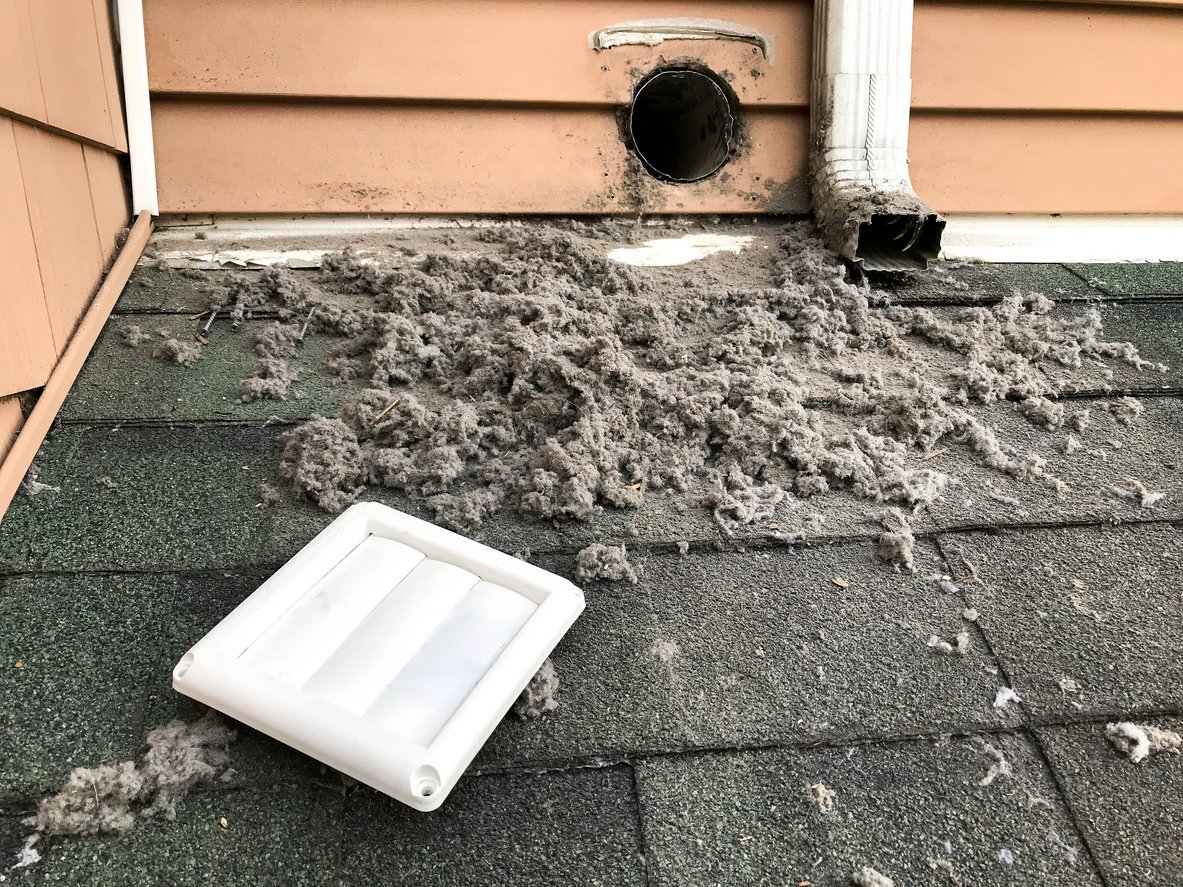
Lint is extremely flammable. As it collects in the vent, it traps heat and restricts airflow, so the dryer runs hotter and longer. Add a high-heat cycle and a packed line, and you have the exact conditions a dryer fire needs. Cleaning the lint trap helps, but most of the buildup happens in the ductwork you can’t see.
Signs your Dallas dryer vent needs attention
- Clothes take two cycles to dry
- The dryer or laundry room feels unusually hot
- A burning or musty smell during a cycle
- The outside vent flap barely opens when running
What a professional cleaning involves
We clean the full duct run from the dryer to the exterior vent — not just the first few feet — using rotary brushing and high-pressure air to clear compacted lint, then confirm airflow at the outside cap. For long rooftop runs common in Dallas, that complete-line cleaning is where the real fire risk lives.
Dryer vent cleaning across Dallas
We serve homeowners throughout Dallas — Lakewood, Preston Hollow, Oak Cliff, Lake Highlands, and beyond. If your dryer is working harder than it should, don’t wait for a warning sign you can’t ignore.
Get a free estimate or call (469) 535-9331.
Frequently Asked Questions
Why is dryer lint such a serious fire hazard?
Lint is highly flammable and accumulates exactly where heat concentrates. As it packs the vent it traps heat and restricts airflow, so the dryer runs hotter and longer — the precise conditions a dryer fire needs.
Is cleaning the lint trap enough to stay safe?
No. The trap catches only part of the lint. The rest travels into the vent line and compacts over time, especially in long runs to the roof. That hidden buildup is what drives most dryer fires.
What are the warning signs of a clogged dryer vent?
Loads needing two cycles, a dryer hot to the touch, a humid laundry room, and a burning smell during operation. Any of those means the vent needs attention promptly.
Fire-safety data from the National Fire Protection Association shows why keeping dryer vents clear matters.