Short answer: Commercial air duct cleaning is the professional removal of dust, debris, and contaminants from a building’s HVAC ductwork using rotary brushing and negative-air (HEPA) extraction — the method recognized by industry standards (NADCA). For Dallas–Fort Worth facilities, it improves indoor air quality, cuts the dust that keeps resettling on desks and shelves, and helps the HVAC system run more efficiently.
If your building has a persistent dust problem, musty smell, or staff complaining of allergies, the ductwork is often the culprit. Here’s how commercial air duct cleaning works in DFW, when your facility needs it, and what to expect.
Why commercial ductwork gets dirty — and why it matters
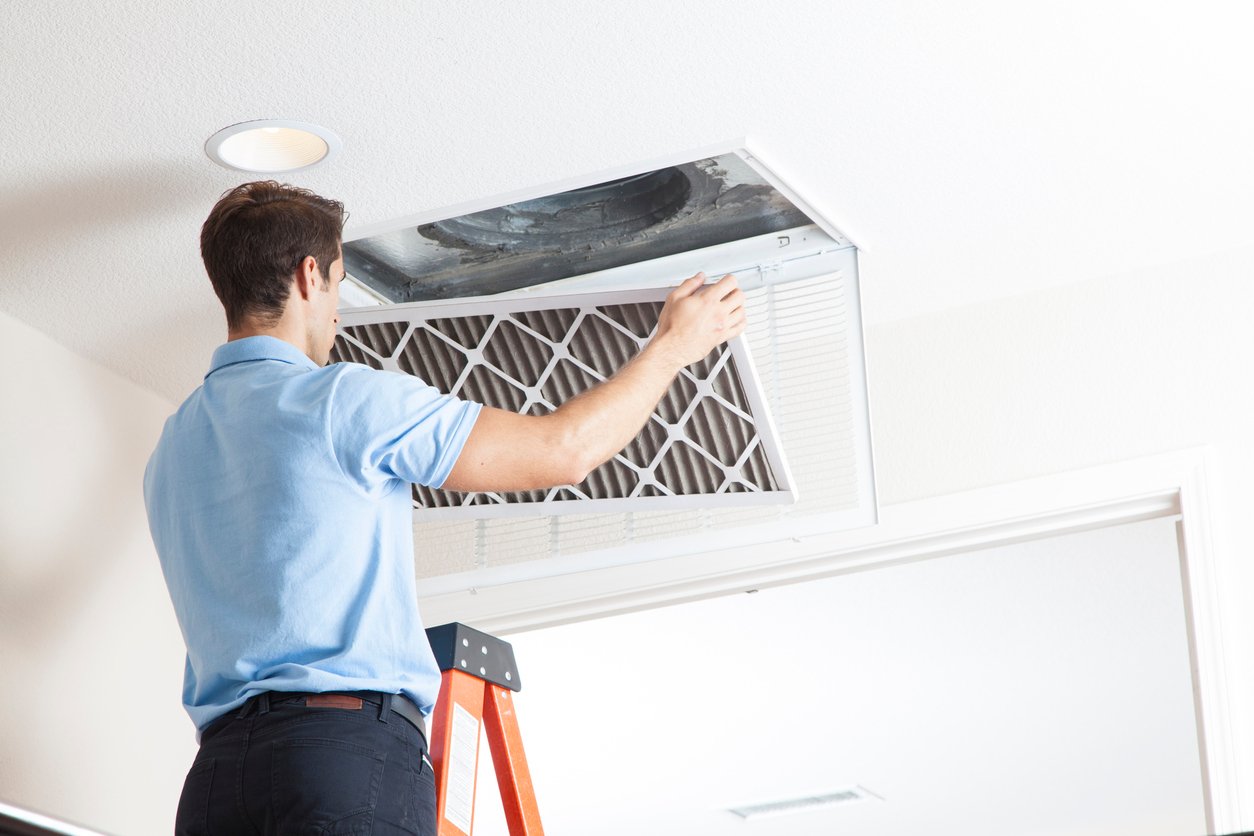
Every HVAC system pulls air through the building and pushes it back out through the ducts. Over the years, dust, pollen, drywall debris from buildouts, and even microbial growth collect on the interior duct walls. In North Texas, where construction dust and seasonal pollen are relentless, commercial ducts load up faster than owners expect. That buildup gets re-circulated into the space every time the system runs — which is why surfaces get dusty again days after cleaning.
Key takeaways
- Dirty ducts recirculate dust and allergens into the whole building.
- The proper method is rotary-brush agitation plus negative-air HEPA extraction — not just a shop vac at the vents.
- Clean ducts help the HVAC system move air more efficiently.
- Post-construction and post-renovation cleaning is especially important.
What NADCA-method air duct cleaning includes
A thorough commercial duct cleaning follows a source-removal process:
- Inspection: technicians assess the system, supply and return lines, and main trunks — often with a camera.
- Negative air: the system is placed under negative pressure with a HEPA-filtered collection unit so loosened debris is captured, not blown into the space.
- Agitation: rotary brushes and compressed-air tools dislodge debris from the duct walls, registers, and grilles.
- Extraction: the negative-air system pulls everything out through HEPA filtration.
- Verification: a before-and-after check confirms the results.
Beware “blow-and-go” outfits that just vacuum the register openings — that isn’t real duct cleaning and won’t fix the problem.
Signs your building needs it
- Visible dust blowing from supply vents, or dust that resettles within days of cleaning.
- Musty or stale odors when the system runs.
- Recent construction, remodeling, or a move-in — buildout debris ends up in the ducts.
- Rising complaints about allergies, stuffiness, or air quality from staff or tenants.
Air quality, comfort, and efficiency
Indoor air quality is a real workplace issue — employees and customers breathe recirculated air all day. Removing accumulated dust and allergens from the ducts reduces what’s put back into the space, which matters most in medical offices, schools, gyms, and any facility with sensitive occupants. A cleaner system also faces less resistance moving air, which supports efficient operation and consistent comfort across the building.
How often should commercial air ducts be cleaned?
There’s no one-size number, but practical guidance for DFW facilities:
- General offices and retail: every 3–5 years, sooner if you see dust problems.
- Medical, dental, and high-occupancy spaces: more frequently, per your air-quality needs.
- After any construction or renovation: clean before occupancy — buildout debris is heavy.
Regular filter changes between cleanings do a lot to keep the system — and the air — cleaner.
What commercial air duct cleaning costs in DFW
Pricing depends on the number of systems, the size and layout of the ductwork, and access. Because a single rooftop unit and a multi-zone office building are very different jobs, a reliable number comes from an on-site assessment with an upfront quote before work begins. Ask any provider whether they use true negative-air source removal — the method makes all the difference in the result.
Why DFW facilities choose Ultra Clean
Ultra Clean is IICRC-certified with 13+ years serving the DFW metroplex. Our commercial air duct service uses rotary-brush agitation and negative-air HEPA extraction with camera inspection before and after, runs after hours and on weekends to avoid disruption, and comes with upfront pricing and a satisfaction guarantee. Whether it’s a single suite or a full facility, we clear the ducts so your building breathes easier.
Frequently asked questions
Does commercial air duct cleaning really improve air quality?
Yes — removing accumulated dust, pollen, and debris from the ducts reduces what the system recirculates back into the space, which helps most in high-occupancy and sensitive environments.
How is proper duct cleaning different from a quick vacuum?
Real cleaning uses rotary-brush agitation plus negative-air HEPA extraction to remove debris at the source. Just vacuuming the vent openings barely scratches the surface.
Do you clean after business hours?
Yes. Most commercial duct jobs are scheduled after hours or on weekends so the building stays open.
Should we clean ducts after a remodel?
Definitely. Construction generates fine dust and debris that settles in the ductwork — cleaning before occupancy is strongly recommended.
How much does commercial air duct cleaning cost in DFW?
It’s quoted by the number and size of systems after an on-site assessment, always priced upfront before work starts.
Ready for cleaner air?
For commercial air duct cleaning in Dallas–Fort Worth, Ultra Clean’s air duct service and commercial programs keep your building’s air fresh. Call (469) 535-9331 or request a free quote.