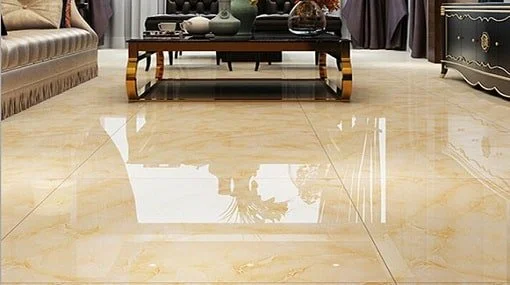
Marble restoration becomes necessary when natural stone starts to lose its smooth finish, even color, and polished appearance. Marble, travertine, and limestone are built to last for decades, but daily wear, acidic spills, moisture, and improper cleaning methods can slowly damage the surface. What begins as a small dull patch or cloudy mark can eventually turn into widespread surface wear that regular cleaning cannot fix.
Many homeowners notice something looks off but are not sure whether they need a simple cleaning, sealing, or full marble restoration. Knowing the warning signs early can help you protect your stone and avoid the high cost of replacement. In many cases, professional restoration can bring stone surfaces back to life and make them look dramatically better without removing or replacing them.
Key Takeaways
- Cloudy etch marks, uneven shine, absorbed spills, and rough texture are the four clearest signs marble needs professional restoration.
- Etching is surface damage from acids — no amount of cleaning or sealing will remove it once it forms.
- Restoration re-levels and re-polishes the stone itself, which is why it outperforms basic sealing on worn marble.
- In most cases restoring existing marble costs a fraction of tearing out and replacing the stone.
Why Marble Restoration Matters
Natural stone is one of the most attractive materials in any home, but it also requires proper maintenance. Over time, the finish can wear down from foot traffic, spills, abrasive dirt, or harsh chemical cleaners. Once the surface becomes etched, scratched, or uneven, regular mopping or wiping will no longer improve its appearance.
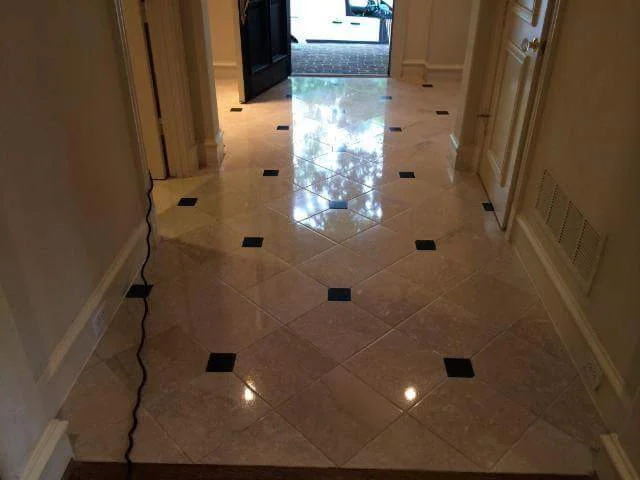
Professional marble restoration is designed to correct these problems by honing, polishing, deep cleaning, and sealing the surface. Instead of covering up the issue, the process removes the damaged layer and restores the natural beauty of the stone.
If you are seeing visible wear on your floors, countertops, vanities, or shower walls, these five signs can help you decide when it is time to call a professional.
1. Marble Restoration Is Needed When Etching Leaves Cloudy Marks
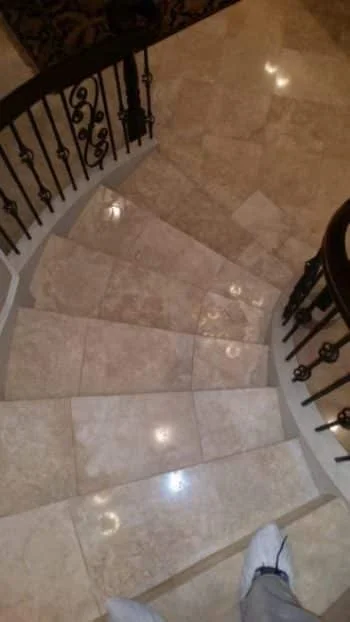
One of the most common reasons homeowners need marble restoration is etching. Etching is not the same as staining. It happens when acidic substances like lemon juice, vinegar, wine, or certain cleaning products react with the stone and damage the finish.
This type of damage often appears as:
- dull rings
- cloudy patches
- faded spots
- areas that no longer reflect light properly
These marks usually do not come out with standard cleaners because the problem is not sitting on top of the stone. The surface itself has been damaged.
When cloudy marks remain visible even after cleaning, professional marble polishing or honing is usually the right solution. Restoration can re-level the etched area and restore a more uniform finish.
2. Marble Restoration Helps Fix Uneven Shine
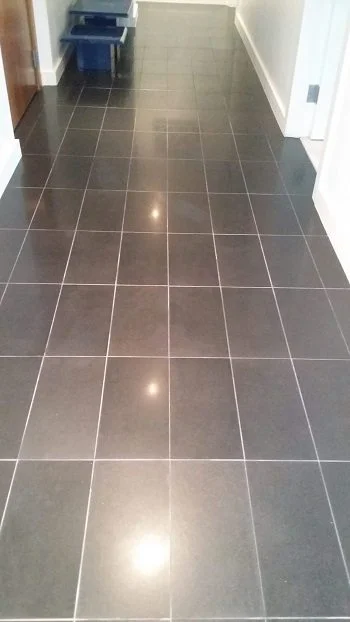
A healthy stone surface should have a consistent finish. If one area looks glossy while another looks flat, worn, or faded, it is often a sign that the original finish has been abraded away.
This is especially common in:
- kitchen islands
- bathroom vanities
- entryways
- high-traffic floor paths
You may notice that corners or less-used areas still hold their shine, while the center looks dull and tired. This uneven appearance usually means the surface finish has worn down from use and needs professional attention.
Marble restoration corrects this by treating the entire affected area so the finish looks balanced again. This can also apply to travertine restoration and limestone restoration, especially in busy areas where traffic patterns become visible over time.
3. Marble Restoration May Be Necessary When Stone Absorbs Spills
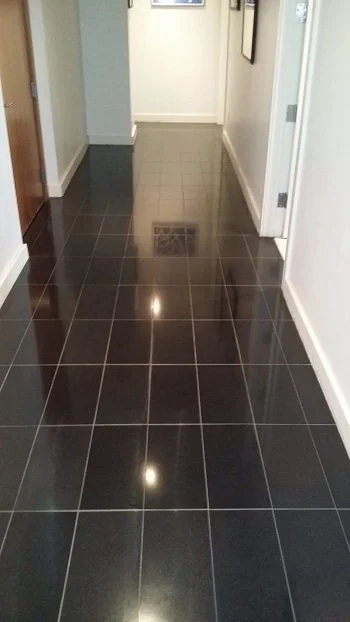
A properly sealed stone surface should resist moisture long enough for you to wipe spills away. If water, oil, or cosmetics begin darkening the stone right away, that is often a sign the sealer has failed.
When this happens, the stone becomes more vulnerable to:
- staining
- discoloration
- moisture damage
- deep grime buildup
At this stage, many homeowners try DIY cleaners or poultices, but these do not always solve the underlying problem. If the surface has become porous and worn, stone restoration may be needed before a fresh sealer can work effectively.
Professional restoration deep-cleans the stone, refines the surface, and prepares it for sealing. This is especially helpful for countertop restoration, bathroom vanity tops, and natural stone floors that are exposed to spills every day.
4. Marble Restoration Can Correct Rough or Worn Texture
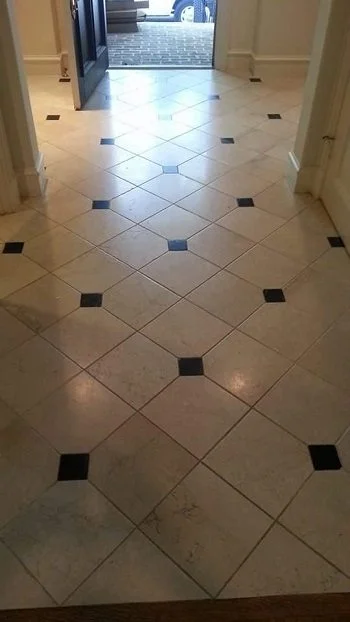
Natural stone should feel smooth and refined. If it begins to feel rough, gritty, tacky, or uneven underfoot, surface damage may be developing. In showers and bathrooms, mineral deposits and soap scum can also contribute to a degraded feel. On floors, micro-scratches from dirt and traffic can slowly wear away the finish.
This rough texture is more than a cosmetic issue. It can also mean the surface is collecting more dirt and becoming harder to clean properly.
Professional marble restoration or shower restoration can smooth out the damaged layer, improve the finish, and restore the silky feel that quality stone should have. This is one of the clearest signs that cleaning alone is no longer enough.
5. Marble Restoration Is a Better Option Than Replacement in Many Cases
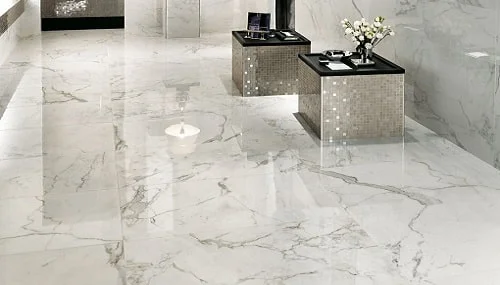
One of the biggest mistakes homeowners make is assuming replacement is the only answer when stone starts to look old. In reality, many surfaces that look worn, dull, etched, or stained can be saved with professional marble restoration.
If the stone is still structurally sound, restoration is often:
- more affordable than replacement
- less disruptive
- faster to complete
- cleaner than demolition
- highly effective visually
Whether you need floor restoration, travertine restoration, or limestone restoration, restoring the existing surface is usually the smarter first step. Many homeowners are surprised by how dramatic the transformation can be once the stone is professionally refinished.
Marble Restoration vs. Basic Sealing
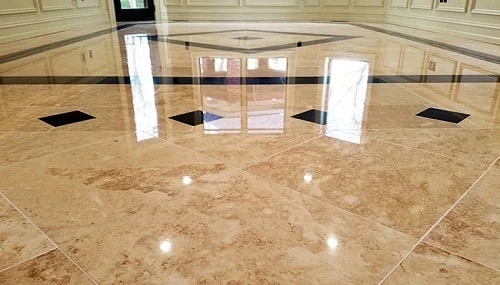
A common question homeowners ask is whether they need full marble restoration or just a reseal. The answer depends on the condition of the stone.
Sealing helps protect the surface, but it does not repair:
- etching
- scratches
- dull patches
- worn finish
- rough texture
If the stone still looks tired after cleaning, or if the damage is visible even when the surface is dry and clean, a sealer alone will not fix it. In that case, stone restoration is the better solution.
Why Professional Marble Restoration Delivers Better Results
DIY stone care products can help with routine maintenance, but they cannot replicate professional restoration equipment or techniques. Store-bought products often fail because they only clean the surface without correcting the actual damage.
Professional marble restoration offers several advantages:
- restores shine and clarity
- removes etching and minor scratches
- evens out the finish
- prepares the stone for sealing
- improves appearance without replacement
This is why homeowners with worn natural stone often see better long-term results from expert service than from repeated DIY attempts.
How to Maintain Results After Marble Restoration
Once your stone has been professionally restored, proper maintenance is essential. A good care routine can help preserve the finish and reduce the need for future restoration.
Follow these simple tips:
- use pH-neutral stone cleaners
- avoid vinegar, bleach, or acidic products
- wipe spills quickly
- use soft cleaning tools
- schedule sealing when needed
- avoid abrasive scrub pads
With consistent care, your restored stone can stay beautiful for years.
Restore the Beauty of Your Natural Stone
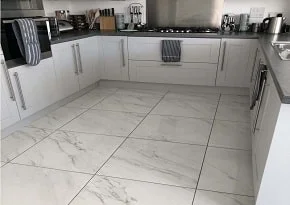
If your floors, counters, vanities, or shower walls are showing signs of dullness, etching, roughness, or uneven shine, professional marble restoration may be the solution. Acting early can protect your investment and help you avoid more severe damage later.
Natural stone does not always need to be replaced when it begins to look worn. In many cases, the right restoration process can completely transform the surface and bring back the color, depth, and finish that made it beautiful in the first place.
FAQ Section
What is marble restoration?
Marble restoration is the process of repairing and refinishing natural stone surfaces that have become dull, etched, scratched, stained, or uneven over time. It may include honing, polishing, deep cleaning, and sealing.
How do I know if I need marble restoration?
You may need marble restoration if your stone has cloudy spots, uneven shine, rough texture, visible etching, or stains that do not improve with normal cleaning.
Can marble restoration remove dull spots?
Yes. Professional marble restoration can remove dull spots caused by etching or surface wear by re-leveling and polishing the stone.
Is marble restoration better than replacing the stone?
In many cases, yes. Marble restoration is often faster, less expensive, and less disruptive than replacing structurally sound natural stone.
Does marble restoration work on travertine and limestone?
Yes. Many of the same professional techniques used in marble restoration are also used for travertine restoration and limestone restoration.
How long does marble restoration last?
The results of marble restoration can last for years with proper care, including pH-neutral cleaning, routine maintenance, and periodic sealing.
Frequently Asked Questions
How do I know if my marble needs restoration instead of cleaning?
If the surface shows cloudy marks, dull patches, rough spots, or stains that survive proper cleaning, the damage is in the stone itself. Cleaning removes soil on top of the surface; restoration repairs the surface — that is the dividing line.
Will sealing fix etched or dull marble?
No. Sealer slows future staining but does nothing for existing etching or wear. The stone must first be honed and polished back to a uniform finish — then sealing protects the restored surface.
Is marble restoration cheaper than replacement?
Substantially. Restoration works with the stone already in your home, avoiding demolition, new material, and installation. Replacement only makes sense when stone is structurally broken beyond repair.
For manufacturer-neutral guidance on caring for natural stone, the Natural Stone Institute is the industry’s authoritative resource.