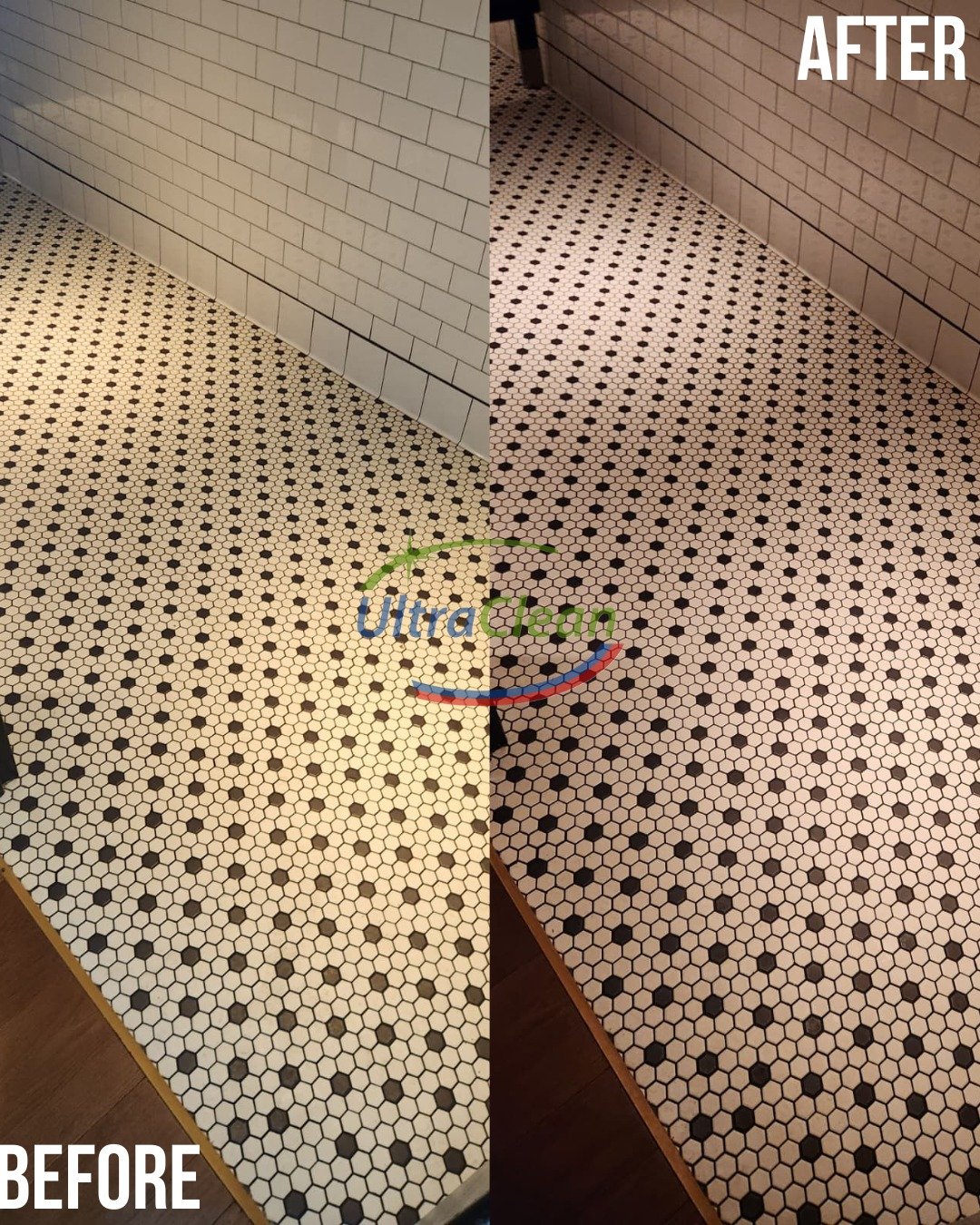

Fort Worth’s marble spans nearly a century of building eras, from Westover Hills’ 1930s estates to Ridglea’s 1950s ranch homes, so the right polishing approach depends heavily on which decade the stone was laid.
Fort Worth doesn’t have one housing story, it has several layered on top of each other. Westover Hills was developed in the early 1930s by A.C. Luther with architect Wyatt C. Hedrick as a private residential enclave on larger lots, and it became the address of choice for the city’s cattle and oil families in the 1930s and 1940s. Its flagship, the Farrell House, was built as the Fort Worth Star-Telegram’s “Home Beautiful” of 1930. A couple of decades later, Luther and others developed the Ridglea neighborhoods along Camp Bowie in the 1950s, filling them with mid-century modern and ranch-style homes. Any marble in a Fort Worth home has to be understood against that timeline: a floor laid in the 1930s and a floor laid last year are entirely different jobs.
The short answer: most Fort Worth homes need marble polishing every 3 to 5 years for kitchens and entries, but homes from the 1930s through 1960s often need a first-visit assessment rather than a routine polish, because decades of previous waxing, sealers and repairs can sit on top of the stone.
Key Takeaways
- Westover Hills dates to the early 1930s, developed by A.C. Luther with architect Wyatt C. Hedrick, and was home to Fort Worth’s cattle and oil families through the 1930s and 1940s.
- The Farrell House, built as the Fort Worth Star-Telegram’s 1930 “Home Beautiful,” was the flagship of the Westover Hills development.
- Ridglea was developed in the 1950s along Camp Bowie, and Ridglea Hills is dominated by mid-century modern designs and ranch-style homes from the 1950s and 1960s.
- Fort Worth’s neighborhoods span roughly ninety years of construction, which means marble here ranges from original vintage installations to brand-new slab work in the same zip code.
- Older stone is more likely to carry layered finishes from past owners, so an on-site test before honing is standard practice.
Westover Hills: Marble With a Long Paper Trail
Homes designed and built across the 1930s and 1940s have typically been through several owners, several renovations and several generations of floor-care products. When a technician meets an older stone floor, the first question is not “how shiny can we make it?” but “what is already on it?” Wax films, topical sealers and old patch repairs all need to be identified before any honing starts, because polishing over them locks the problem in rather than removing it. Larger lots and larger footprints in this kind of neighborhood also mean longer runs of continuous stone, where a consistent finish from room to room matters as much as the shine.
Ridglea and the Mid-Century Ranch Home
Ridglea’s 1950s and 1960s ranch and mid-century modern homes are lower and more horizontal than the estate architecture of Westover Hills, and where stone was used it tended to show up in entries, fireplace surrounds, vanity tops and hearths rather than throughout the house. Those smaller, high-visibility marble surfaces take the everyday wear: shoes at the entry, cleaning products at the vanity, heat at the hearth. They are also often the first place homeowners notice dulling and etching.
Professional Marble Polishing
Assessment, honing and polishing for Fort Worth homes from Westover Hills to Ridglea and beyond. Upfront pricing, free estimate.
Frequently Asked Questions
Why is marble care in Fort Worth so different from house to house?
Fort Worth neighborhoods were built across roughly ninety years, from Westover Hills in the early 1930s to mid-century Ridglea in the 1950s and newer construction since. Stone from different eras has different histories of waxing, sealing and repair, so each floor needs its own assessment.
Is a Westover Hills marble floor treated differently than a newer one?
The polishing process is the same in principle, but older floors more often have old wax, sealer or patch repairs that must be identified and removed before honing, which can add time to the job.
How often should marble be polished in a Fort Worth home?
Kitchens and entries typically need a maintenance polish every 3 to 5 years. Low-traffic surfaces such as vanity tops and hearths can go longer, while entry floors used daily may need attention sooner.
Can etched marble in an older ranch-style home be restored?
In most cases, yes. Etching is surface damage from acids, and it can usually be honed out and re-polished, though the depth of damage determines how much stone needs to be removed.
Ultra Clean is IICRC-certified and has served Fort Worth and the Dallas–Fort Worth area since 2013. Our methods follow the standards set by the IICRC.
all our floor, tile & air-duct services in Fort Worth · Air duct cleaning in Fort Worth · tile & grout cleaning in Fort Worth