Wylie began as a rail-side settlement called Nickelville in the early 1870s. When the Gulf, Colorado and Santa Fe Railway laid track half a mile north of the original townsite in 1886, the town’s businesses relocated to the tracks within a year, and Wylie incorporated in 1887, named for railroad right-of-way agent Lieutenant Colonel William D. Wylie. Growth stayed slow but steady for decades, reaching 773 residents by 1900 and 914 by 1940. Everything changed when Lake Lavon was built five miles north of town and the North Texas Municipal Water District, created to supply towns across four counties, set up its headquarters in Wylie, pushing the population to 1,804 by 1960. Today the city has grown past 57,000 residents, with newer lakeside communities like Woodbridge, built around its own golf course near Lake Lavon, anchoring the most recent wave of construction.
The short answer: most Wylie homes should have tile and grout professionally cleaned every 12 to 18 months. Original tile in the small downtown core needs gentle care and grout matching, while newer lakeside subdivisions mainly need grout sealed early and kept sealed against lake humidity and grit.
Key Takeaways
- Wylie incorporated in 1887 along the Gulf, Colorado and Santa Fe Railway and grew slowly for 70 years.
- Lake Lavon and the North Texas Municipal Water District headquarters, both arriving by the late 1950s, triggered the city’s first real growth wave.
- The population has grown from about 1,800 in 1960 to more than 57,000 today.
- Newer communities such as Woodbridge sit near Lake Lavon and its golf course.
- Lake Lavon draws roughly 1.6 million visitors a year, and lake traffic brings sand and moisture into nearby homes.
A Small Historic Core Surrounded by New Growth
Wylie’s original downtown, built up around the railroad in the late 1800s and early 1900s, is a small pocket of much older buildings and homes compared to the subdivisions that now surround it on every side. Where original tile survives in these older structures, it is often set in thick mortar beds with narrow grout joints that have worn thin after a century of use. That tile deserves gentle, low-pressure cleaning and grout that is matched and patched rather than power-washed, which can crack old glazes or wash out already-thin joints.
Lake Lavon Growth and New Grout
Most of Wylie’s housing dates from the growth that followed Lake Lavon and the water district’s arrival, accelerating further in recent decades with master-planned communities like Woodbridge near the lake. With about 1.6 million annual visitors to Lavon Lake, residents living near the water track in sand and fine grit after lake trips, and higher humidity near the shoreline slows grout drying after cleaning. New-construction grout, especially the large-format tile common in recent builds, needs to be sealed soon after installation and resealed on a regular schedule to keep it from staining.
Professional Tile & Grout Cleaning
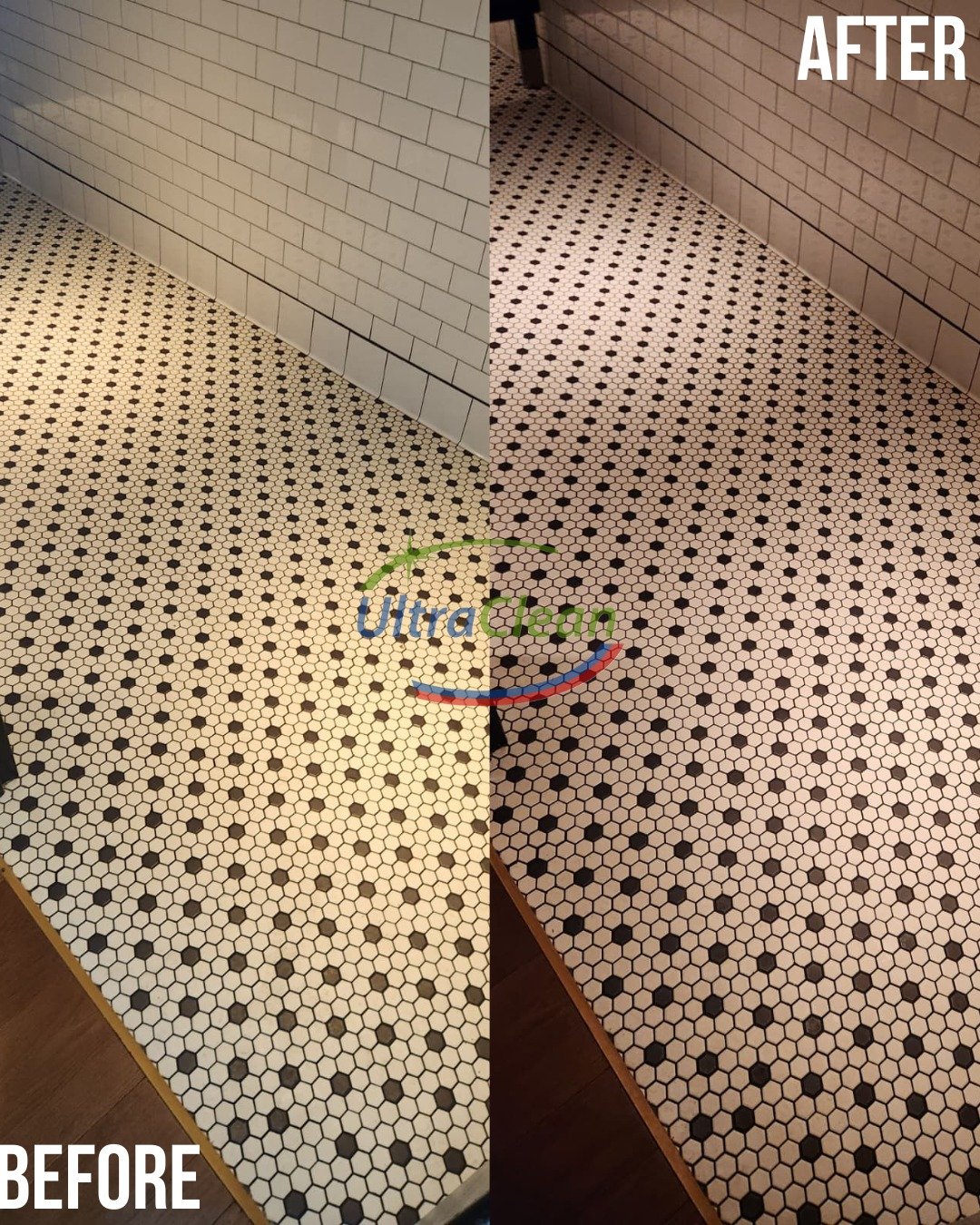
Gentle cleaning for Wylie’s historic downtown tile and sealing for newer lakeside homes near Lake Lavon. Upfront pricing, free estimate.
Frequently Asked Questions
Does Wylie have much original historic tile left?
Some. The small downtown core near the original railroad tracks has buildings and homes from the late 1800s and early 1900s, though most of the city’s growth and tile is much newer.
How does living near Lake Lavon affect tile and grout?
Sand and grit tracked in after lake trips can scratch tile finishes, and higher humidity near the shoreline slows grout drying, which can encourage mildew if bathrooms and entries aren’t well ventilated.
Should new grout in a Wylie home be sealed right away?
Yes. New-construction grout, especially with the thin joints common in large-format tile, absorbs dirt and moisture quickly if it isn’t sealed soon after installation and resealed on schedule.
How often should tile and grout be cleaned in Wylie?
Every 12 to 18 months is a good baseline. Homes near Lake Lavon or with heavy foot traffic from lake activities often benefit from more frequent cleaning.
Ultra Clean is IICRC-certified and has served Wylie and the Dallas–Fort Worth area since 2013. Our methods follow the standards set by the IICRC.
More for Wylie homes: all our floor, tile & air-duct services in Wylie · marble polishing in Wylie · air duct cleaning in Wylie