Key Takeaways
- Air duct cleaning can meaningfully reduce the dust, pollen, and pet dander recirculating through your home — a real, if partial, contributor to indoor allergy symptoms.
- It’s not a substitute for medical treatment or allergy testing, but it addresses one genuine source most people never think to check.
- North Texas’s long pollen season and hard-water dust load make DFW homes especially prone to duct-related allergen buildup.
- Pairing duct cleaning with a good filter and regular filter changes gives the best combined result.
If allergy symptoms seem worse at home than anywhere else, it’s worth asking a genuinely useful question: is your HVAC system actually redistributing the problem every time it runs? Here’s what air duct cleaning can and can’t do for allergies.
How Ducts Contribute to Indoor Allergens
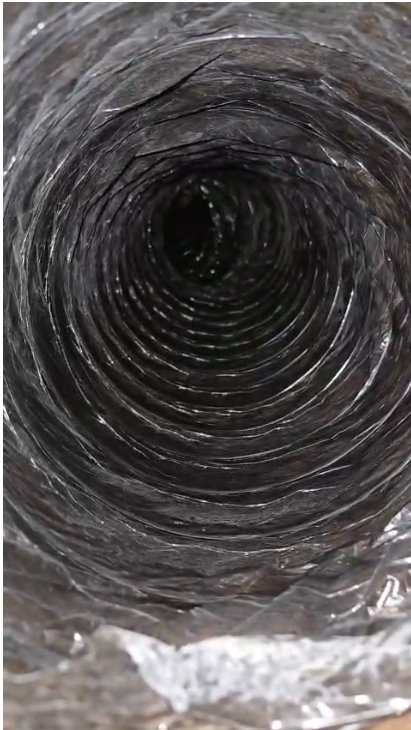
Every time your HVAC system cycles, air moves through the ductwork and back into your living space. If that ductwork is coated in years of accumulated dust, pollen, and pet dander, some of it gets pulled back into circulation with every cycle — effectively re-seeding the air you breathe indoors, even in rooms you clean regularly.
Why DFW Homes Are Especially Prone to This
North Texas has one of the longer pollen seasons in the country, spanning cedar in winter through grass and ragweed into fall. Combine that with fine Blackland Prairie clay dust that gets pulled into HVAC systems constantly, and DFW ductwork tends to accumulate allergen-relevant debris faster than drier, less pollen-heavy regions.
What Duct Cleaning Can Realistically Do
Removing built-up dust, pollen, and dander from the ductwork itself reduces one real source of ongoing indoor allergen exposure. Many homeowners notice a meaningful difference within days of a cleaning — less dust settling, fewer symptoms tied specifically to being home.
What It Won’t Do
Duct cleaning doesn’t address allergens from sources unrelated to the HVAC system — carpet, upholstery, bedding, or pets themselves. It’s also not a medical treatment; if allergy symptoms are severe, an allergist and proper testing are still the right next step alongside any home-maintenance changes.
Getting the Best Combined Result
Duct cleaning works best paired with a quality air filter, changed on a regular schedule, and periodic HVAC maintenance. Cleaning the system once and going back to a neglected filter undoes a lot of the benefit over time.
Frequently Asked Questions
How quickly will I notice a difference?
Many people notice reduced dust and some symptom relief within days, though results vary by household and how significant the prior buildup was.
Should I also upgrade my filter?
A higher-MERV-rated filter (within what your system supports) paired with regular duct cleaning gives the best combined air-quality result.
Does this help with pet allergies specifically?
It can reduce circulating pet dander that’s built up in the ductwork, though it doesn’t eliminate the source if pets remain in the home.
Is duct cleaning enough on its own for severe allergies?
It’s a meaningful piece of an overall approach, but severe or persistent symptoms are worth discussing with an allergist alongside any home changes.
Ultra Clean is IICRC-certified and has served the Dallas–Fort Worth metroplex since 2013, following NADCA (National Air Duct Cleaners Association) standards on every job.
Air Duct Cleaning Across DFW
Reduce a real, often-overlooked source of indoor allergens circulating through your home.