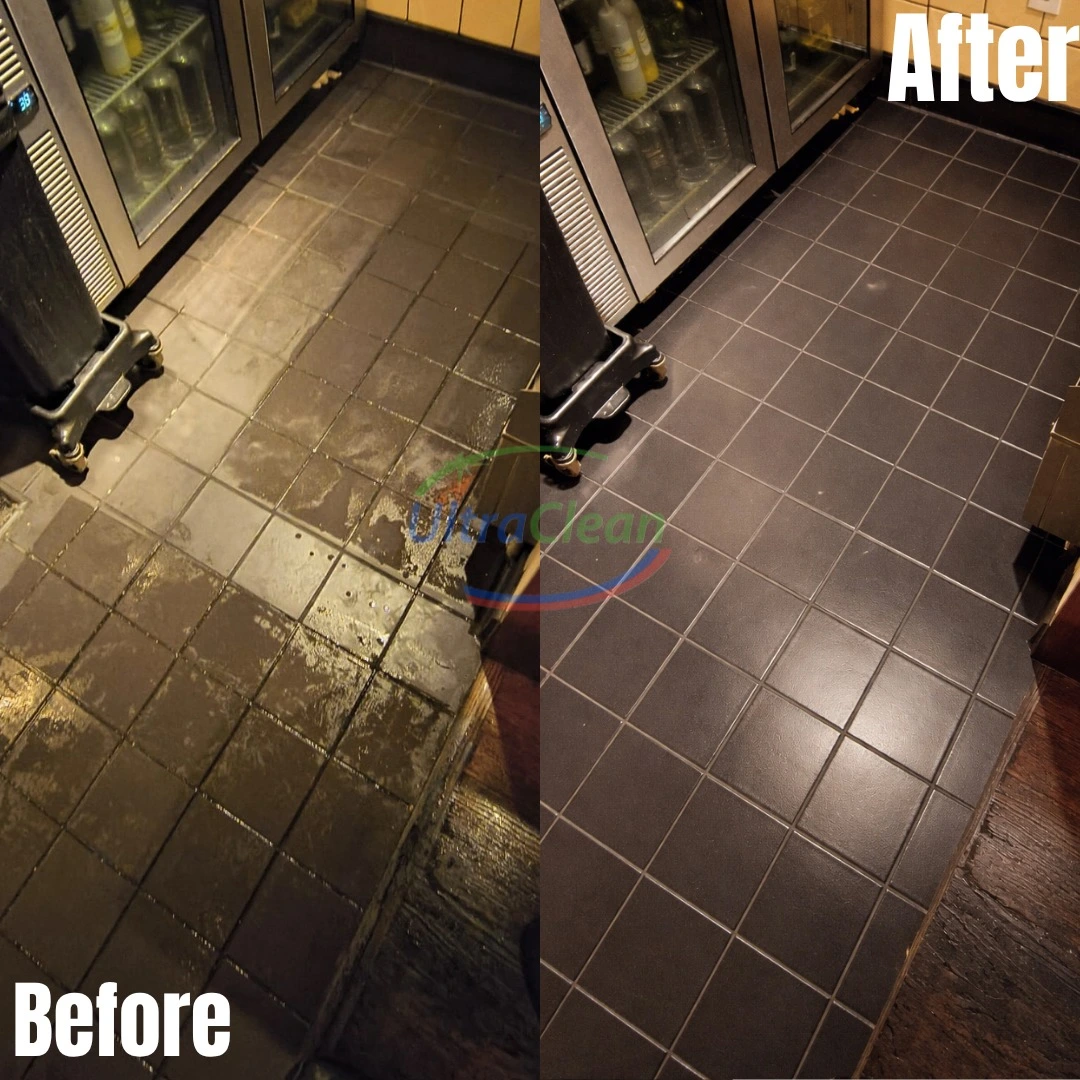
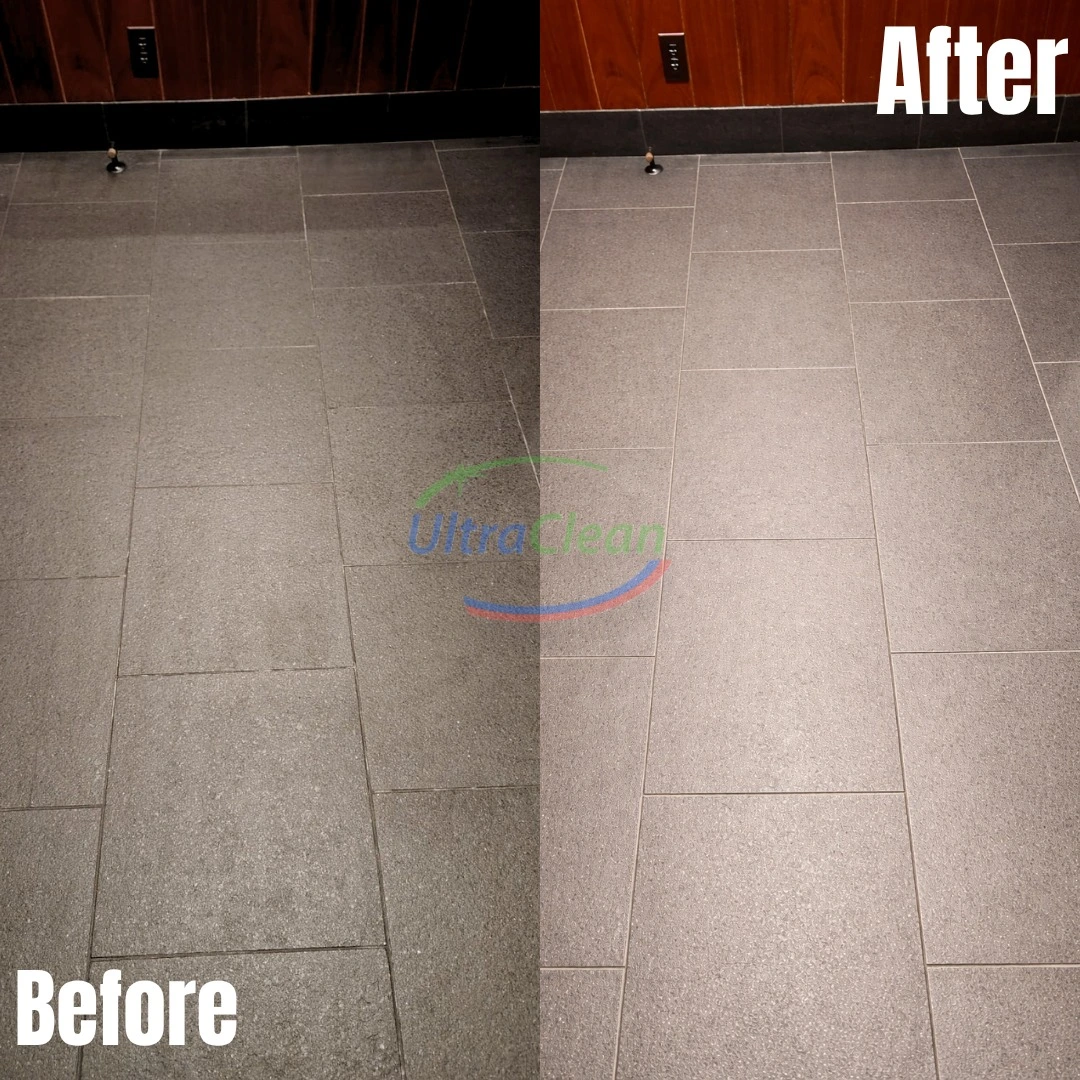
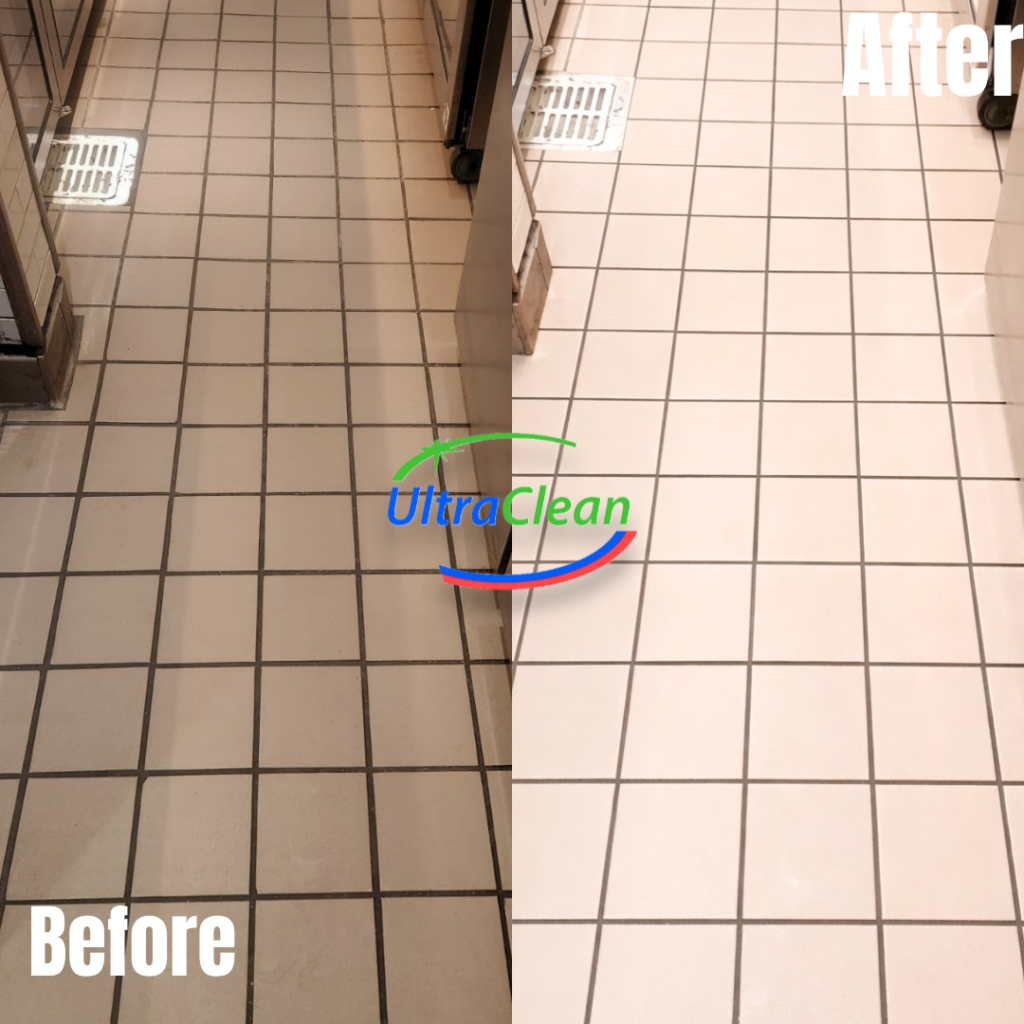
Tile and grout restoration is one of the most effective ways to bring worn floors, showers, and tiled surfaces back to life. Tile is known for its durability, but grout is often the first thing to show age, dirt buildup, and moisture damage. Over time, grout lines can absorb soap residue, spills, grime, and moisture, leaving the entire surface looking older and harder to clean.
Many homeowners spend hours scrubbing tile and grout, only to watch stains and discoloration return. That is because grout is porous, and once contaminants settle below the surface, regular mopping and household cleaners are often no longer enough. Understanding when routine care is sufficient and when professional tile and grout restoration is needed can help protect your surfaces and extend their life.
This guide explains how grout becomes damaged, when restoration is necessary, and what steps can help keep tile and grout looking their best over time.
Why Tile and Grout Restoration Matters
Grout plays an important role in both the appearance and structure of tiled surfaces. While tile is usually glazed and more resistant to water and staining, grout is cement-based and highly absorbent. This makes it especially vulnerable to dirt, mildew, soap residue, and discoloration.
As grout absorbs moisture and debris, it can begin to:
- darken unevenly
- trap odors
- weaken over time
- crack or crumble
- make the entire floor or shower look dirty
That is why tile and grout restoration is about more than appearance. It helps address the underlying buildup and damage that regular cleaning often cannot solve.
Using the correct care methods early can make a major difference in preserving grout and preventing bigger repair issues later.
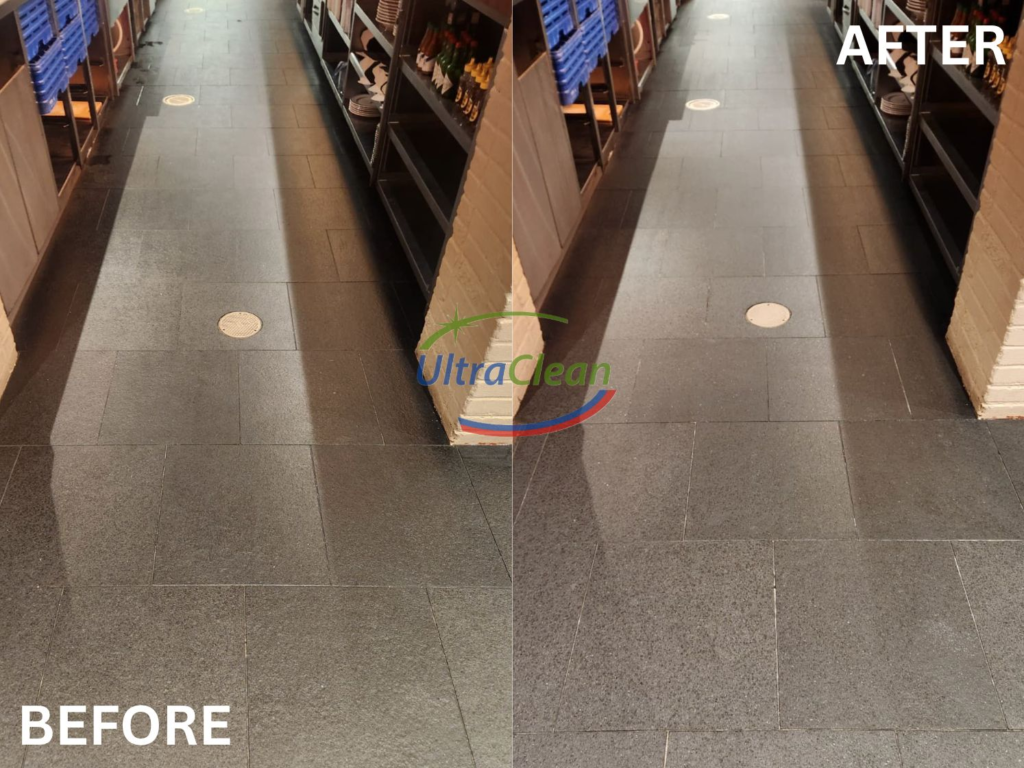
Why Grout Needs Special Attention
One of the biggest challenges with tile surfaces is that the tile itself may still look fine while the grout looks heavily soiled or worn. Because grout is porous, it absorbs contaminants much more easily than tile.
Common causes of grout deterioration include:
- moisture exposure
- soap residue
- foot traffic
- spills
- harsh chemicals
- improper cleaning products
Many people assume they need to scrub harder, but the real solution is often smarter care. pH-neutral cleaners are usually the safest option because they clean effectively without damaging grout or stripping away sealers.
When grout begins to stay dark or stained even after routine cleaning, it is often a sign that deeper grout restoration is needed.
When Tile and Grout Restoration Is the Right Solution
There comes a point when routine mopping and store-bought cleaners stop producing results. If grout stains keep returning, or if grout is cracked, uneven, or deteriorating, professional tile and grout restoration may be the best next step.
Restoration goes beyond surface-level cleaning. It is designed to:
- remove embedded grime
- restore a more even appearance
- repair damaged grout
- improve long-term protection
- extend the life of tiled surfaces
Whether the problem is discoloration, structural wear, or moisture-related damage, restoration addresses the root issue rather than just the surface appearance.
Tile and Grout Restoration Through Grout Cleaning
The most basic stage of tile and grout restoration often begins with deep grout cleaning. This process removes dirt, oils, soap film, and grime that normal household tools cannot reach.
Professional tile and grout cleaning uses specialized equipment and cleaning solutions to clean below the surface of the grout. This helps restore a fresher appearance and prepares the surface for any needed sealing or repair.
Deep cleaning is especially important when:
- grout lines remain dark after cleaning
- floors look dull because of grout discoloration
- showers develop buildup from soap scum or minerals
- kitchen floors collect grease and grime
By removing embedded contaminants, professional cleaning creates the foundation for a more complete restoration.
Tile and Grout Restoration Through Grout Coloring and Sealing
One of the most effective parts of tile and grout restoration is grout coloring and sealing. After cleaning, a high-quality color seal can be applied to restore a uniform, refreshed appearance.
Grout coloring helps by:
- evening out inconsistent grout color
- improving the look of older tile surfaces
- making grout lines appear cleaner and brighter
- covering permanent discoloration
Grout sealing adds an extra level of protection by creating a barrier against moisture, spills, and future staining. This makes routine maintenance easier and helps the results last longer.
For many homeowners, grout coloring and sealing delivers one of the most dramatic improvements in the entire restoration process.
Tile and Grout Restoration Through Grout Repair and Replacement
Sometimes cleaning and sealing are not enough. If grout is cracked, missing, loose, or crumbling, damaged sections may need to be repaired or replaced.
This step of tile and grout restoration is important because deteriorated grout can affect both appearance and function. Damaged grout allows moisture to penetrate more easily, which can lead to further wear and possible structural concerns.
Grout repair is typically recommended when:
- grout lines are visibly cracked
- sections are missing
- grout is soft or crumbling
- water is penetrating vulnerable areas
Replacing damaged grout helps restore the surface and prepares it for sealing and long-term maintenance.
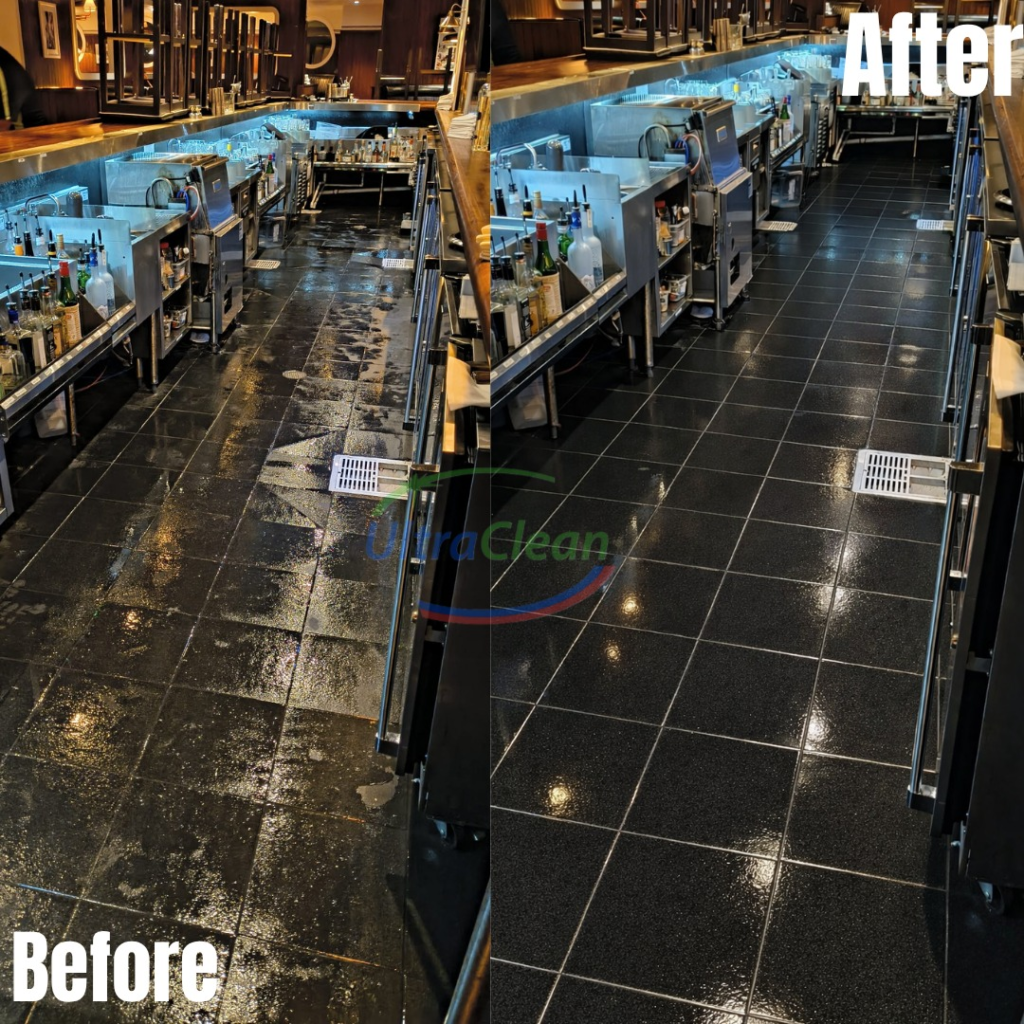
Tile and Grout Restoration in Showers
Bathrooms and showers are some of the most common places where tile and grout restoration is needed. Constant water exposure, soap residue, body oils, and mineral deposits can quickly leave grout looking discolored and worn.
Shower restoration often focuses on:
- soap scum removal
- mineral deposit removal
- grout cleaning
- grout repair
- resealing
Because showers stay damp so often, early maintenance is essential. If neglected too long, buildup can become difficult to remove and grout can begin to weaken.
Professional restoration helps bring shower surfaces back to a cleaner, healthier, and more attractive condition.
Why Professional Tile and Grout Restoration Makes a Difference
DIY cleaning is helpful for routine upkeep, but it often falls short when grout has deeply embedded soil or damage. Professional tile and grout restoration uses equipment, cleaning methods, and sealers designed to go beyond what most household products can achieve.
The benefits of professional service include:
- deeper cleaning
- more uniform grout appearance
- longer-lasting sealing protection
- safer methods for tile and grout
- better long-term results
Instead of repeatedly trying products that only offer temporary improvement, professional restoration provides a more complete solution.
How to Maintain Results After Tile and Grout Restoration
Once your surfaces have been professionally restored, maintenance becomes much easier. A few simple habits can help keep grout looking cleaner and reduce the need for major restoration later.
To protect the results of tile and grout restoration:
- use pH-neutral cleaners
- avoid bleach and harsh chemicals
- clean regularly with soft tools
- wipe up spills promptly
- reseal grout as needed
- avoid abrasive scrubbing pads
Consistent care helps preserve both the look and structure of grout over time.
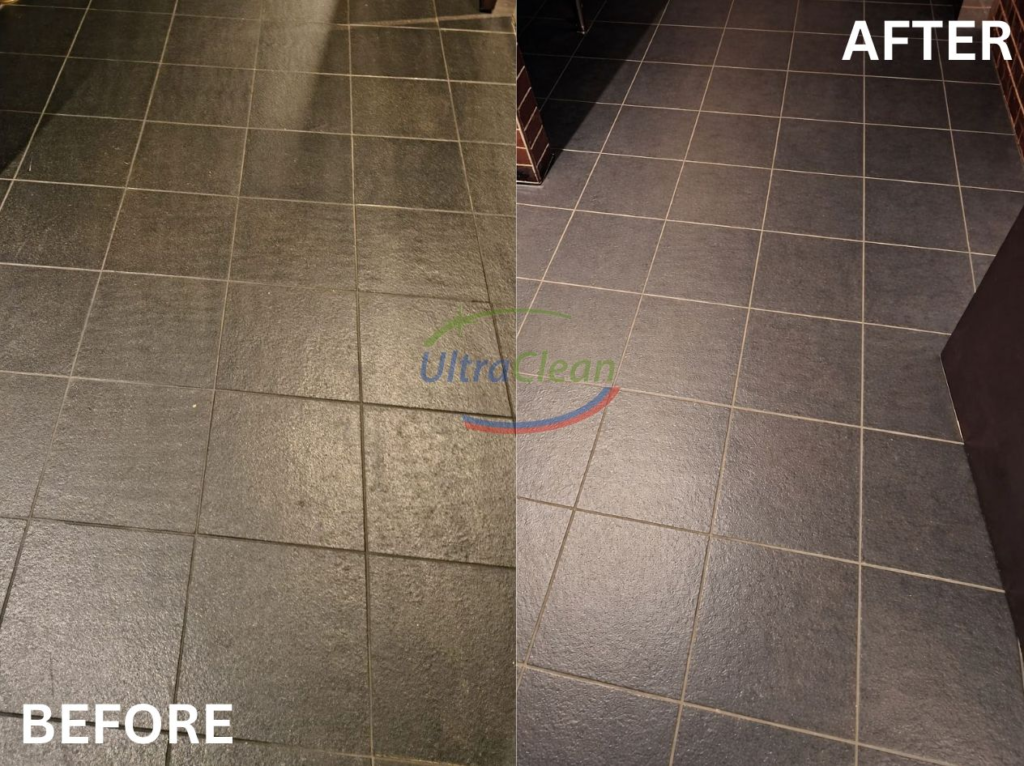
Final Thoughts on Tile and Grout Restoration
Tile and grout restoration is not just about making surfaces look cleaner. It is about preserving the strength, appearance, and lifespan of grout before discoloration or deterioration becomes a bigger issue.
When grout lines stay dirty after cleaning, begin to crack, or make the whole floor look aged, restoration can provide a practical and cost-effective solution. From deep cleaning and sealing to grout repair and shower restoration, professional care helps homeowners protect their surfaces and avoid more expensive repairs later.
If your grout is showing signs of wear, tackling the issue early can save time, money, and frustration while keeping your home looking its best.
FAQ Section
What is tile and grout restoration?
Tile and grout restoration is the process of deep cleaning, repairing, sealing, and improving grout lines and tiled surfaces to restore appearance and protect them from further damage.
Why does grout still look dirty after cleaning?
Grout is porous and absorbs dirt, oils, soap residue, and moisture below the surface. Regular cleaning often cannot fully remove this buildup.
Does tile and grout restoration include sealing?
Yes. In many cases, tile and grout restoration includes grout sealing to help protect against moisture, staining, and future discoloration.
Can cracked grout be repaired without replacing the tile?
Yes. Damaged grout can often be repaired or replaced without replacing the surrounding tile.
Is bleach safe for grout cleaning?
Bleach may brighten grout temporarily, but repeated use can weaken it and make it more vulnerable to damage over time.
How long does grout sealer last?
Grout sealer often lasts between one and three years, depending on traffic, moisture, and cleaning habits.